About Luwuk Banggai: Indonesia’s Hidden Sulawesi Gem
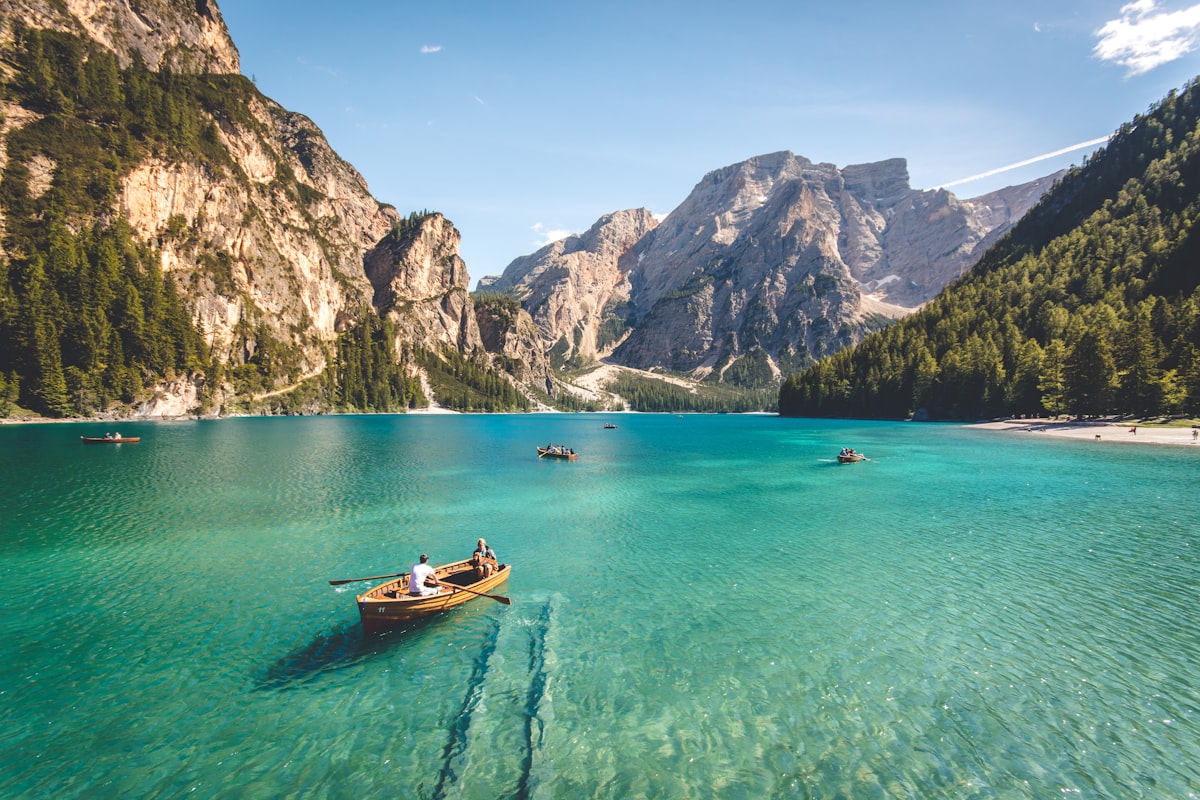
Luwuk Banggai is one of Indonesia’s most pristine and lesser-known destinations, located in the heart of Sulawesi. This enchanting region combines stunning natural beauty with rich cultural heritage, making it an ideal destination for adventurous travelers seeking authentic experiences away from mainstream tourism.
Geography and Location
Luwuk Banggai is situated in the Banggai Archipelago in Central Sulawesi, Indonesia. The region is strategically positioned at approximately coordinates 1.5°S, 123.5°E, covering an extensive area with numerous islands and coastal regions. The archipelago comprises over 70 islands, each with its unique characteristics and attractions. The total area of Banggai Regency spans approximately 14,435 square kilometers, making it a substantial region with diverse geographical features.
The landscape is characterized by a combination of mountainous terrain, pristine beaches, and crystal-clear waters. The islands are surrounded by coral reefs and lagoons that support incredible marine biodiversity. The strategic location between major ocean currents creates ideal conditions for marine life, making Luwuk Banggai a hotspot for diving and snorkeling enthusiasts.
Historical Significance
Luwuk Banggai boasts a rich and fascinating history that dates back centuries. The Banggai Sultanate, established in the 14th century, played a crucial role in regional trade and cultural development. This ancient kingdom maintained trade relationships with other Southeast Asian powers and became known for its maritime prowess and strategic importance along shipping routes.
The sultans of Banggai were not only political leaders but also patrons of arts and culture. They built mosques, established educational centers, and promoted the development of traditional crafts. The cultural legacy of the sultanate remains evident in the traditions, architecture, and values of the local communities today. Historical records indicate that Banggai was an important center of spice trade during the Dutch colonial era.
The region experienced significant changes during the colonial period, but the local population maintained their cultural identity and traditions. Today, remnants of this glorious past can be seen in historical structures, oral traditions, and the cultural practices of the Banggai people.
The Banggai Cardinalfish
One of the most remarkable aspects of Luwuk Banggai is the presence of the Banggai Cardinalfish, a species found exclusively in these waters. This distinctive fish, scientifically known as Pterapogon kauderni, is endemic to the Banggai Islands and cannot be found naturally anywhere else in the world. The species is characterized by its striking black and white striped pattern and elongated dorsal spines.
The Banggai Cardinalfish is highly valued by aquarium enthusiasts and marine biologists. However, its popularity has led to concerns about overfishing and habitat degradation. Conservation efforts are underway to protect this unique species and its natural habitat. The fish thrives in the seagrass beds and mangroves around Banggai, where it feeds on small crustaceans and plankton.
Observing the Banggai Cardinalfish in its natural habitat is a privilege that underscores the importance of sustainable tourism and marine conservation in the region. Divers and snorkelers visit Luwuk Banggai specifically to witness this endemic species, contributing to local conservation awareness and economic benefits.
Culture and People
The people of Luwuk Banggai are predominantly Malay-Austronesian, with a rich cultural heritage that reflects centuries of maritime traditions and cross-cultural exchanges. The local communities are known for their warmth, hospitality, and strong connection to the sea. Many families are involved in fishing, sailing, and boat building, maintaining traditional skills passed down through generations.
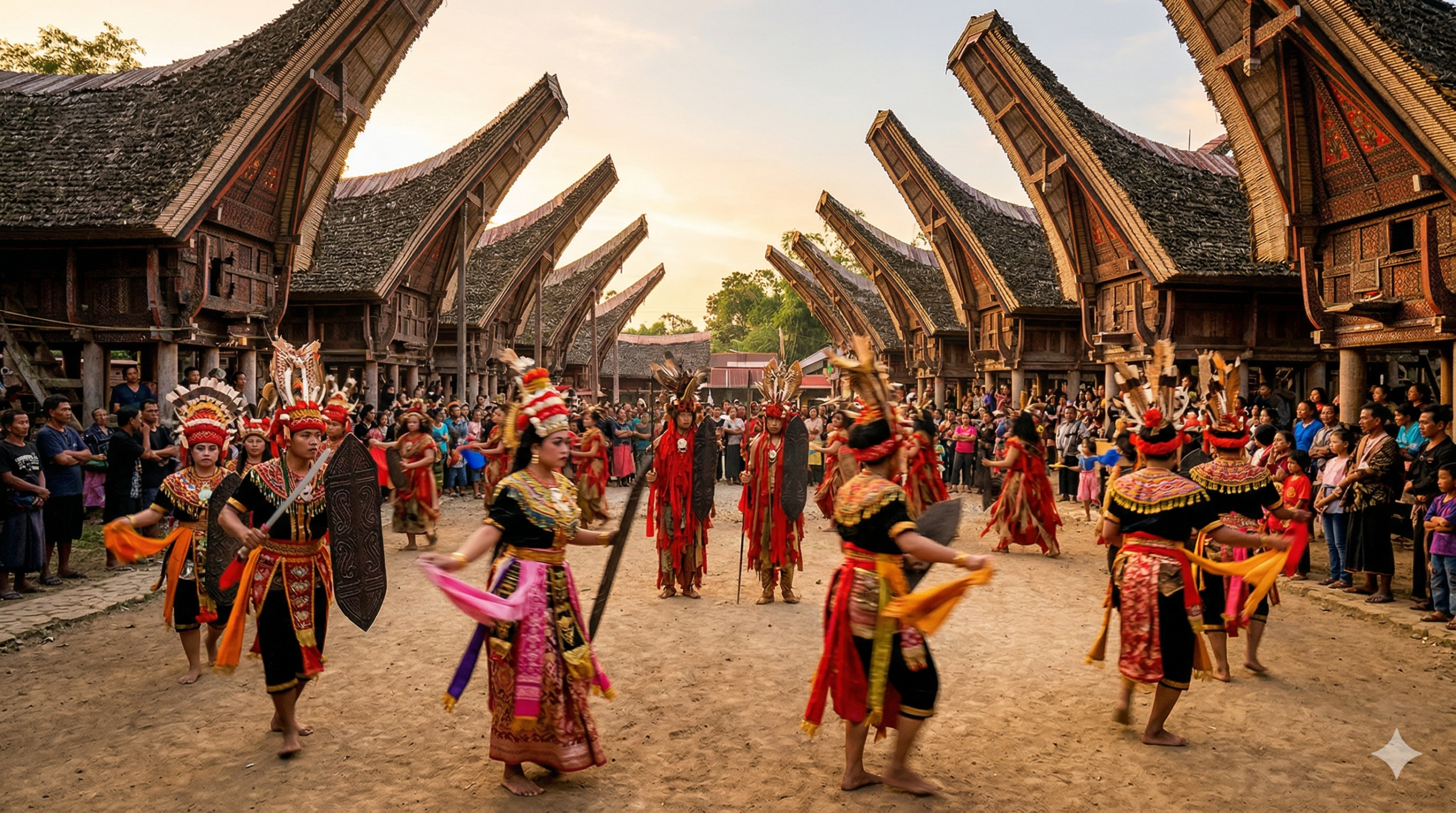
Traditional music and dance are integral to Banggai culture. The Tari Pontanu is a traditional dance performed during celebrations and ceremonies, characterized by graceful movements and colorful traditional costumes. The dance tells stories of daily life, love, and connection to nature, providing insight into the values and experiences of the local people.
The Tenun Banggai is a traditional textile craft that has been practiced for centuries. Local artisans use traditional looms to create intricate patterns on fabric, with designs that often symbolize elements of nature, spirituality, and cultural identity. Each piece of Tenun Banggai is unique, reflecting the skill and creativity of the weaver. Visitors can purchase authentic Tenun Banggai directly from local artisans, supporting traditional livelihoods.
The local cuisine reflects the region’s maritime heritage, featuring fresh seafood prepared using traditional methods and local ingredients. Dishes like grilled fish, seafood soups, and coconut-based preparations are staples that showcase the flavors of Banggai.
Biodiversity and Marine Ecosystems
Luwuk Banggai is a biodiversity hotspot with exceptional marine and terrestrial ecosystems. The marine environment around the islands supports over 400 species of coral and more than 800 species of reef fish. These coral reefs are among the most diverse and pristine in the world, earning Banggai recognition as part of the Coral Triangle Initiative.
The underwater landscape includes coral gardens, sponge forests, and seagrass meadows, each supporting unique communities of marine life. Sea turtles, rays, sharks, and dolphins are commonly encountered during diving and snorkeling expeditions. The presence of healthy shark populations indicates the ecological health of the marine environment.
Beyond the marine realm, Luwuk Banggai is home to unique terrestrial species. The Babirusa, also known as the pig-deer, is a distinctive hoofed mammal found in the forests of Sulawesi and Banggai. This unusual creature has long, curved tusks and is perfectly adapted to the tropical rainforest environment. The Anoa, a small buffalo species, also inhabits the region’s forests and is protected under Indonesian wildlife laws.
Lake Paisupok, located within the region, is a freshwater ecosystem that supports endemic fish species and aquatic plants. The lake is surrounded by lush forest and provides habitat for numerous bird species. The area around the lake is ideal for birdwatching, with opportunities to observe tropical birds in their natural habitat.
Climate and Weather
Luwuk Banggai experiences a tropical climate with warm temperatures year-round. Average temperatures range from 24°C to 32°C, with high humidity typical of equatorial regions. The region experiences two main seasons: the rainy season (November to April) and the dry season (May to October).
The best time to visit is during the dry season when weather conditions are most favorable for outdoor activities. However, rain during the rainy season provides spectacular scenery, with waterfalls flowing at their fullest and vegetation at its most lush. Each season offers unique experiences and photographic opportunities.
The region’s location near the equator means consistent daylight hours throughout the year, allowing for extended exploration and activities. The tropical waters remain warm enough for comfortable swimming and diving year-round.
Frequently Asked Questions About Luwuk Banggai
What is the best time to visit Luwuk Banggai? The dry season from May to October offers the most stable weather and is ideal for water activities. However, the region is accessible year-round, with each season offering unique experiences.
How do I get to Luwuk Banggai? Most visitors fly to Manado, Sulawesi, then take connecting flights or ferries to Luwuk. Read our detailed guide on how to get to Luwuk Banggai for step-by-step instructions.
What activities can I do in Luwuk Banggai? Popular activities include diving, snorkeling, island hopping, hiking, birdwatching, and cultural tours. Check out our tour packages for curated itineraries.
What marine life can I see while diving? You can encounter coral reefs, tropical fish, sea turtles, rays, sharks, dolphins, and the endemic Banggai Cardinalfish. Read our diving and snorkeling guide for details on specific sites.
Is Luwuk Banggai suitable for families? Yes, there are family-friendly activities and accommodations. Many tour packages offer options for different age groups and activity levels.
What languages are spoken in Luwuk Banggai? The primary languages are Indonesian and Banggai. English is spoken in tourist areas and by tour guides. It’s helpful to learn a few basic Indonesian phrases.
Explore our complete guide on Lake Paisupok and discover the wonders of diving and snorkeling in Banggai to plan your unforgettable adventure.
Book Your Luwuk Banggai Adventure
Ready to explore? Contact our travel experts:
WhatsApp: +62 811 3809 193
Email: sales@balipremiumtrip.com
Hours: Monday-Sunday, 08:00-21:00 WITA