Diving & Snorkeling Luwuk Banggai – Banggai Cardinalfish
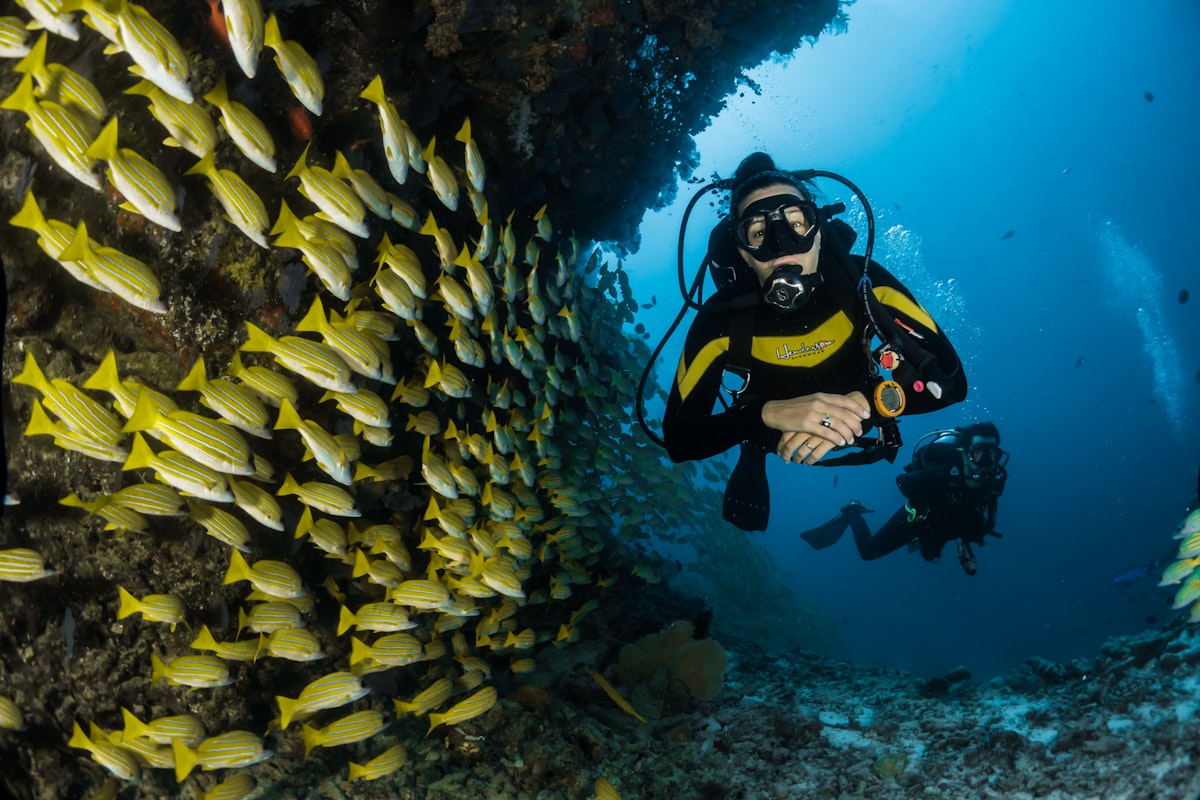
Luwuk Banggai is a world-class diving and snorkeling destination, home to some of the Coral Triangle’s most spectacular marine ecosystems. Whether you’re a certified diver seeking an extraordinary underwater adventure or a snorkeler wanting to experience pristine coral gardens and vibrant fish life, Luwuk Banggai delivers unforgettable aquatic experiences.
The Banggai Cardinalfish – An Endemic Treasure
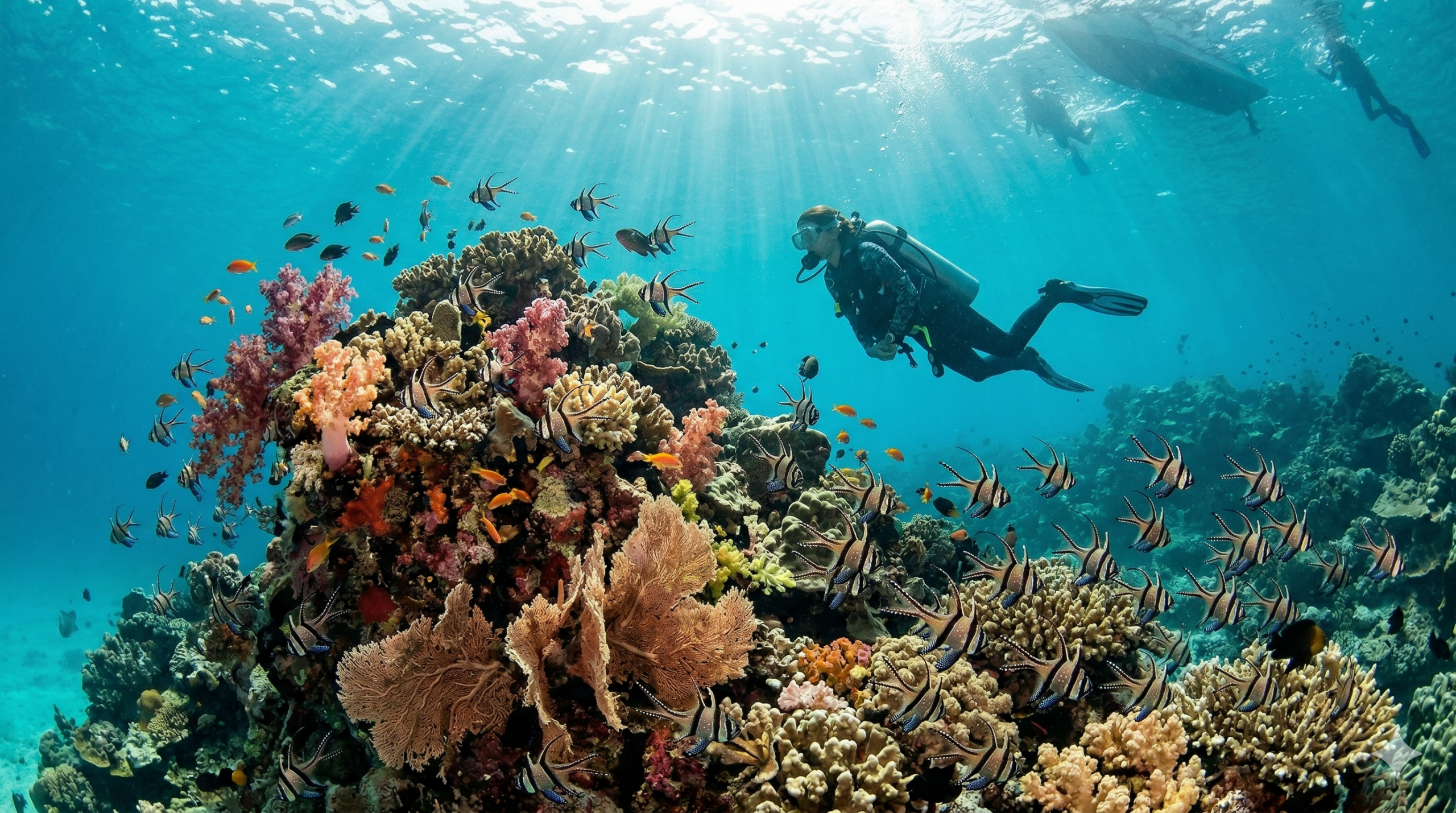
The Banggai Cardinalfish (Pterapogon kauderni) is the crown jewel of Luwuk Banggai’s marine life. This stunning endemic species is found nowhere else in the world except in the Banggai Archipelago. With distinctive vertical stripes and elaborate flowing fins, this fish is both beautiful and critically important to understanding marine biodiversity conservation.
Characteristics of Banggai Cardinalfish
- Scientific Name: Pterapogon kauderni
- Size: 8-10 cm (3-4 inches)
- Distinctive Features: Bright red and white striping, elongated dorsal spine, graceful fin extensions
- Behavior: Lives in small groups near sea urchins and coral, usually in 10-40 meter depths
- Rarity: Endemic to Banggai Islands—exists nowhere else naturally
- Conservation Status: Vulnerable due to overfishing for aquarium trade
- Best Viewing Months: March-November (dry season)
Encountering Banggai Cardinalfish in their natural habitat is a highlight for divers and snorkelers. Our guides know the specific locations where these shy but remarkable fish congregate, ensuring you have the best chance of observing them in their environment.
Dive Sites in Luwuk Banggai
Dua Island Dive Sites
Dua Island offers multiple excellent dive sites with varying difficulty levels:
Dua Island North: A wall dive dropping to 40+ meters. Features vibrant coral gardens, large schools of fusiliers, and occasionally reef sharks. Visibility: 20-25 meters. Best for: intermediate to advanced divers.
Dua Island South: A sloping reef ideal for mixed-skill groups. Shallow sections (5-10m) for beginners, deeper areas (15-25m) for experienced divers. Macro photography opportunities with nudibranchs and seahorses. Visibility: 18-22 meters.
Dua Island East Passage: A drift dive through a narrow channel. Strong currents create exciting action. See large groupers, trevally, and pelagic fish. Visibility: 20-25 meters. Best for: experienced drift divers.
Peleng Strait Dive Sites
The Peleng Strait is known for dramatic underwater topography and strong marine life concentrations:
Peleng Strait North: A dramatic wall dive reaching 50+ meters. Excellent macro life including seahorses, frogfish, and octopuses. Visibility: 15-20 meters. Best for: advanced divers.
Peleng Strait Central: A sloping reef with soft coral gardens and excellent fish life. Perfect for Banggai Cardinalfish sightings. Visibility: 18-22 meters. Best for: all levels.
Peleng Strait South: A bommie dive with a dramatic rocky formation. Schooling jacks, trevally, and occasional sharks. Visibility: 20-25 meters. Best for: intermediate to advanced.
Marine Life & Biodiversity
Coral Species
Luwuk Banggai boasts 400+ species of coral—among the highest diversity in the world. You’ll encounter:
- Hard corals: branching acropora, table corals, brain corals, plate corals
- Soft corals: dendronephthya, sarcophyton, leather corals
- Anemones: magnificent anemones hosting clownfish and other symbionts
- Black corals: ancient species in deeper zones
Fish Species
Over 800 fish species inhabit Luwuk Banggai’s waters. Common sightings include:
- Reef fish: damselfish, butterflyfishes, parrotfish, wrasses
- Larger species: groupers, snappers, trevally, emperors
- Sharks: whitetip and blacktip reef sharks, occasional hammerheads
- Pelagics: jacks, mackerel, barracuda
- Macro subjects: seahorses, frogfish, nudibranchs, shrimp
Other Marine Life
- Sea Turtles: Green and hawksbill turtles commonly seen grazing on seagrass or resting under coral ledges
- Dolphins: Spinner dolphins and bottlenose dolphins frequent the waters, especially during boat transits
- Rays: Manta rays, eagle rays, and stingrays observed in deeper waters and channels
- Cephalopods: Octopuses and squid provide exciting night diving opportunities
- Crustaceans: Lobsters, crabs, and shrimp hide in crevices
Visibility & Water Conditions
| Month | Visibility | Water Temp | Conditions | Suitability |
|---|---|---|---|---|
| January-February | 12-15m | 28-29°C | Wet season, occasional rain | Good for macro |
| March-May | 18-22m | 27-28°C | Transition, improving conditions | Very good |
| June-August | 20-25m | 26-27°C | Dry season, calm waters | Excellent |
| September-November | 20-25m | 26-27°C | Dry season, calm | Excellent |
| December | 15-18m | 28°C | Transition to wet season | Good |
Best diving months: June to November (20-25m visibility consistently)
Certification Requirements
For Divers
- Recreational Diving: Open Water Certification (PADI, NAUI, or equivalent) minimum
- Advanced Dives (25m+): Advanced Open Water or higher
- Night Dives: Advanced Open Water recommended
- Drift Dives: Drift Diver specialty or 50+ logged dives
- Deep Dives (30m+): Deep Diver specialty or Advanced certification
We accept certifications from any recognized diving organization (PADI, NAUI, SSI, IANTD, etc.). You must provide certification card or digital proof.
For Uncertified Divers
If you’re not certified, we offer PADI Open Water Certification courses:
- Duration: 3-4 days
- Cost: $350
- Includes: Classroom, confined water training, 4 open water dives
- Maximum Depth: 12 meters (after certification, safe to 18 meters)
You’ll be certified after completing the course and can dive with us immediately.
Snorkeling Opportunities
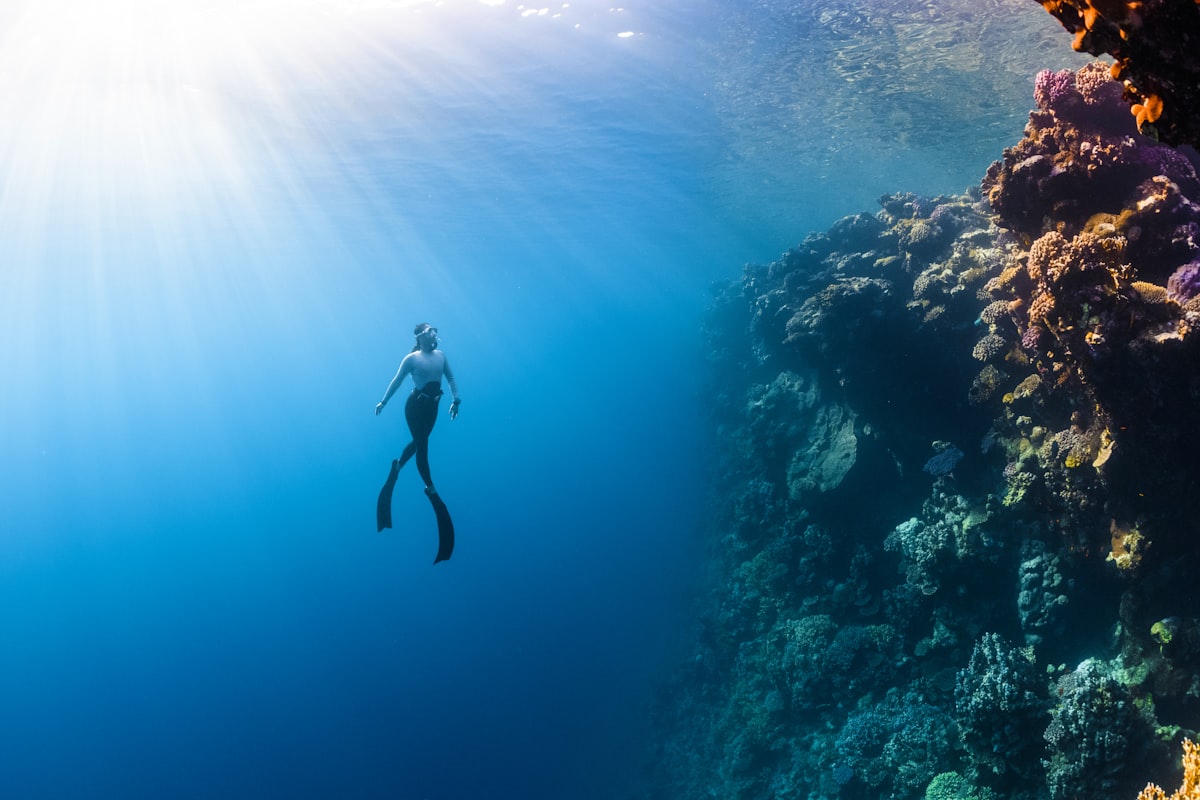
Snorkelers enjoy some of the same stunning coral gardens and marine life as divers—without needing certification. Snorkeling depths range from 2-8 meters, with visibility typically 15-20 meters in the shallows.
Best Snorkeling Sites
- Shallow Reef Gardens: 2-5 meters, teeming with fish and coral
- Coral Bommies: Stand-alone coral formations visible from surface
- Lagoon Areas: Calm, clear water with abundant marine life
- Turtle Viewing Areas: Specific spots where turtles regularly graze
Snorkeling is included in all our open trips and private tours. Life jackets, fins, masks, and snorkels provided.
Pricing for Diving & Snorkeling Packages
| Package | Price | Includes | Duration |
|---|---|---|---|
| 2-Tank Dive Day | $180 | 2 dives, guide, equipment | 4-5 hours |
| 3-Tank Dive Day | $280 | 3 dives, guide, equipment, lunch | 6-7 hours |
| Full Diving Week (6 dives) | $850 | 6 dives, guide, equipment, meals | 7 days |
| Open Water Certification | $350 | Training, 4 dives, certification | 3-4 days |
| Full Day Snorkeling | $85 | Transport, guide, equipment, lunch | 5-6 hours |
| Night Diving Experience | $120 | 1 night dive, guide, light | 2-3 hours |
Equipment & Safety
All diving equipment is included in our packages unless you prefer to use your own. Our equipment includes:
- Wetsuits (3mm and 5mm)
- BCDs (buoyancy control devices)
- Regulators (first and second stage)
- Dive computers
- Tanks (aluminum 10L and 12L)
- Weights and belts
- Masks, fins, snorkels
- Underwater lights for night dives
All equipment is regularly maintained and serviced. We follow strict safety protocols including:
- Pre-dive safety briefings
- Buddy system enforcement
- Depth and time limits by certification
- Emergency procedures training
- First aid and oxygen available
- Dive computers on all dives
- Experienced dive masters
Frequently Asked Questions
1. Can beginners dive in Luwuk Banggai?
Absolutely. We offer PADI Open Water certification courses (3-4 days, $350) that qualify you to dive. Many beginners earn their certification and immediately enjoy diving in our beautiful waters.
2. What’s the difference between snorkeling and diving?
Snorkeling uses a mask and tube at the surface (2-8m deep, no certification needed). Diving uses tanks to breathe underwater at greater depths (up to 40m+ with proper certification). Both offer incredible marine viewing.
3. I’m nervous about diving. Will I feel safe?
Our guides are highly experienced with anxious divers. We take time with nervous participants, start in very shallow water, and progress only when you’re comfortable. About 30% of our divers were initially nervous—most become passionate about the sport.
4. How many dives can I do per day?
Standard is 2 dives per day (morning and afternoon). Advanced divers can do 3 dives. Night dives are additional. Surface intervals between dives are 1-2 hours.
5. Is diving dangerous in Luwuk Banggai?
Diving has inherent risks, but Luwuk Banggai is considered a safe diving destination. We maintain excellent safety standards, use modern equipment, and employ experienced guides. Risks are minimized through proper training and adherence to protocols.
6. What if I get seasick on the boat?
We provide seasickness medication and can arrange shorter boat rides to nearby sites. Most people adjust quickly. We also recommend eating light meals and staying hydrated before boat rides.
Book Your Diving Adventure
WhatsApp: Reserve Your Diving Spot
Contact us to arrange diving packages, certification courses, or combine diving with other activities.
Related Pages
Private Tours | Open Trips | Lake Paisupok | Jellyfish Lake