
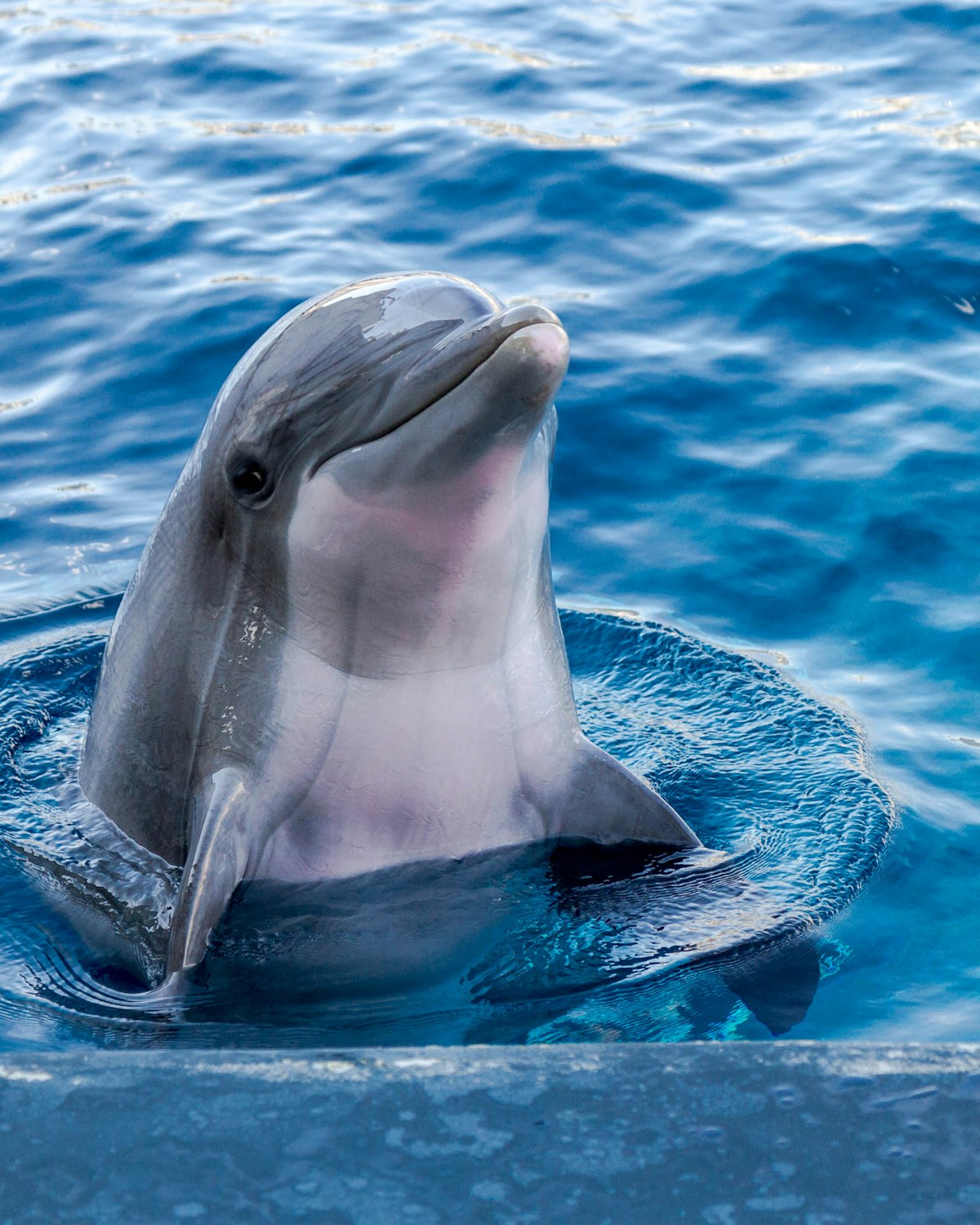
Dolphin Watching in Luwuk Banggai
The waters surrounding the Banggai archipelago are home to thriving populations of spinner dolphins and bottlenose dolphins — and watching these magnificent creatures leap, spin, and play alongside your speedboat is one of the most exhilarating wildlife encounters in Central Sulawesi. Luwuk Banggai dolphin watching is not a staged, commercialized tourist attraction — it is a genuine wild encounter in open ocean, where pods of 20-100+ dolphins regularly appear along the deepwater channels between the Banggai Islands, particularly from April through September.
Dolphin Species in Banggai Waters
| Species | Frequency | Behavior | Best Months |
|---|---|---|---|
| Spinner Dolphin | Very common | Spectacular spinning jumps | Apr-Sep |
| Bottlenose Dolphin | Common | Bow-riding, curious | Apr-Sep |
| Risso’s Dolphin | Occasional | Deep water, calmer | Jun-Aug |
| Spotted Dolphin | Occasional | Playful, acrobatic | May-Sep |
When & Where to See Dolphins
The best dolphin encounters occur during the dry season (April-September) when calm sea conditions make spotting easier and dolphins are most active in the outer island channels. August and September are particularly productive months. Dolphins are most commonly sighted during morning hours (07:00-10:00) in the deepwater channels between the Banggai Laut islands — the same routes used for island hopping and the journey to Mbuang-Mbuang Island.
While wild dolphin encounters cannot be guaranteed, our boat captains know the productive channels and regularly sight dolphins on outer island routes. On 5D4N and longer packages, the probability of at least one dolphin encounter is very high (80%+ during peak season).
Dolphin Watching Experience
When dolphins are spotted, our boat captain positions the speedboat to allow the pod to approach naturally. Spinner dolphins frequently ride the bow wave — leaping and spinning just meters from the boat in displays of pure joy that leave passengers speechless. Our guides encourage responsible wildlife watching: we never chase or crowd dolphins, we reduce boat speed when in their vicinity, and we allow the dolphins to set the terms of the encounter. This respectful approach typically results in longer, more intimate encounters as the dolphins choose to stay and play.
Photography Tips for Dolphins
Capturing dolphins in action requires fast shutter speeds (1/1000 or faster), continuous autofocus, and burst mode. A 70-200mm zoom lens is ideal for boat-based dolphin photography. GoPro cameras mounted on the bow can capture incredible close-up footage when dolphins ride the wave. Video often works better than photos for spinner dolphin jumps — the spinning action is simply too fast for single frames. Our photography tours include guidance on dolphin photography techniques.
Frequently Asked Questions
Can I swim with dolphins in Luwuk Banggai?
We do not offer in-water dolphin swimming to respect the wild animals. The boat-based encounters are extraordinary — dolphins often come within meters of the boat and put on spectacular displays.
Is dolphin watching guaranteed?
Wild dolphin encounters cannot be guaranteed. However, during the peak season (April-September) on outer island routes, sighting probability exceeds 80%. Longer packages (5D4N+) have the highest probability.
Which tour package includes dolphin watching?
Dolphin encounters are most likely on 5D4N, 6D5N, and 7D6N packages that include outer island routes. A dedicated dolphin watching morning can be added to any package.
What time of day is best for dolphin watching?
Morning hours (07:00-10:00) on calm seas. Our captains plan outer island departures to maximize dolphin encounter opportunities.
Is dolphin watching safe for children?
Yes. Children love it. All passengers wear life jackets during transit. The experience is completely safe and universally thrilling for all ages.